Pool Skimmer Lids & Inspection Lids: The Complete Guide for Pool Builders & Homeowners
Most people don’t give much thought to pool skimmer lids. They’re easy to overlook, a small detail in a big build. But get this component wrong, and you’re dealing with cracked covers, tripping hazards, and an ugly interruption to what should be a clean, seamless pool surround. Get it right, and the lid disappears into the finish, functions quietly for decades, and never needs replacing.
This guide covers everything you need to know, what pool skimmer lids and inspection lids are, why they exist, how to choose the right type for your application, and why material selection matters more than most people realise.
What Is a Pool Skimmer Lid?
A pool skimmer box is built into the wall of your pool to continuously draw water off the surface for filtration. As water moves toward the skimmer, it carries debris with it, leaves, insects, dust, sunscreen oils, and other surface contaminants, removing them before they sink, break down, and become harder to manage.
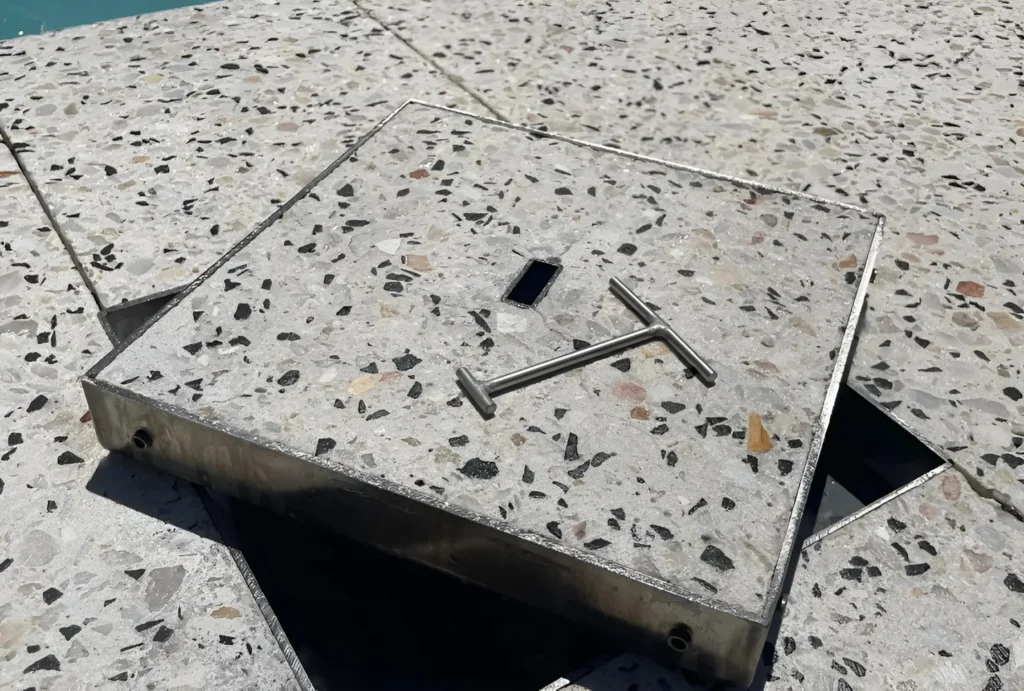
The skimmer lid is the cover that sits over the skimmer box opening in your pool surround. It’s the component you actually see, flush with the concrete, paving, or tiling around your pool’s edge. Its job is to protect the skimmer mechanism underneath, maintain a clean and uninterrupted finish across the pool deck, and meet Australian pool safety standards.
A correctly installed skimmer lid is barely visible. An incorrect one, wrong size, wrong type, or wrong material, stands out immediately and creates problems that compound over time.
Concrete vs Paving & Tile: Choosing the Right Skimmer Lid Type
Pool surrounds come in different materials, and your skimmer lid has to match. Fitting the wrong lid type to your surround produces a lid that won’t sit level, won’t integrate cleanly, and will eventually move or fail.
Concrete Skimmer Lids
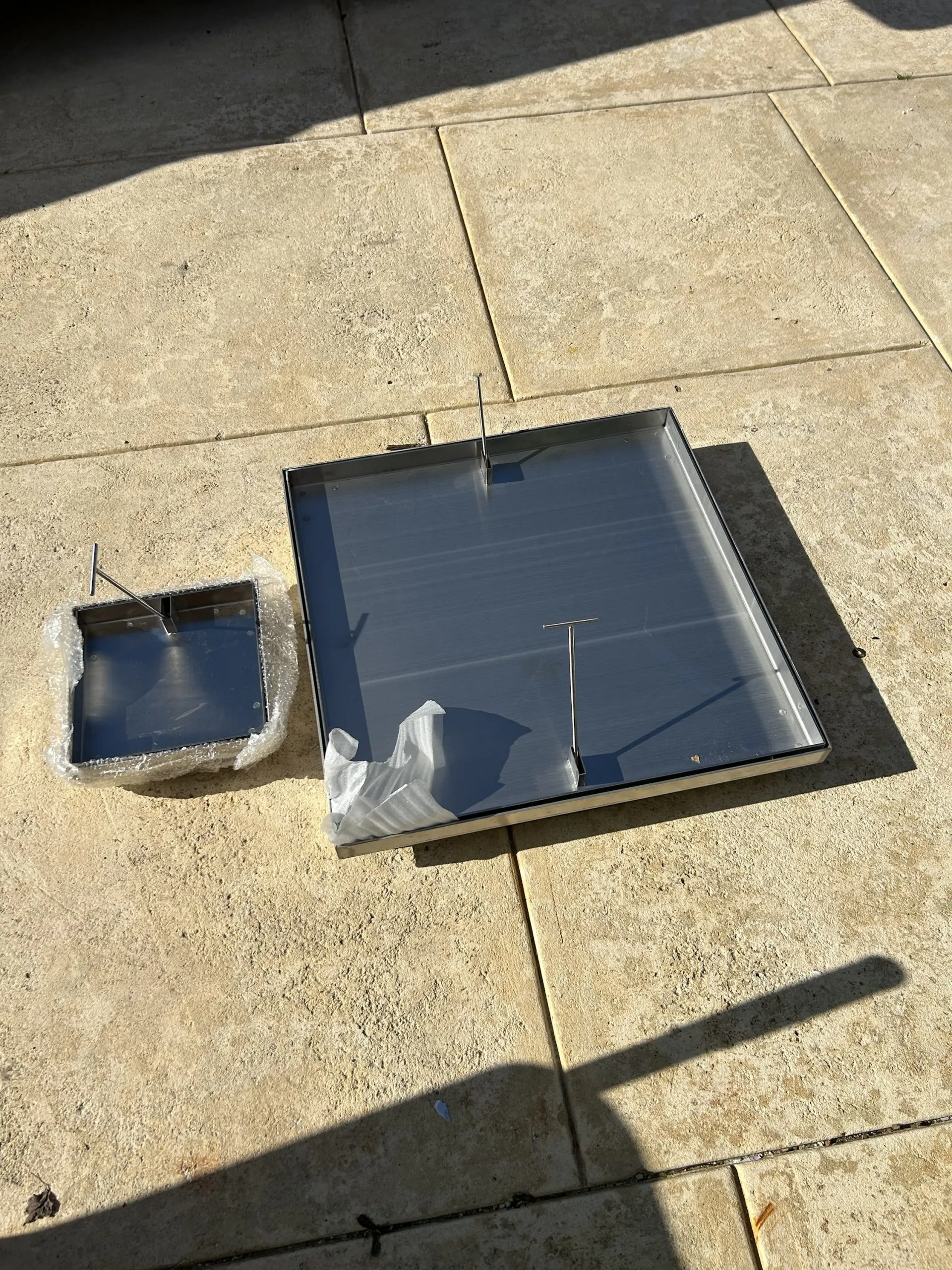
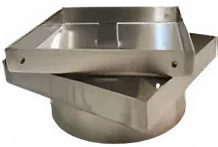
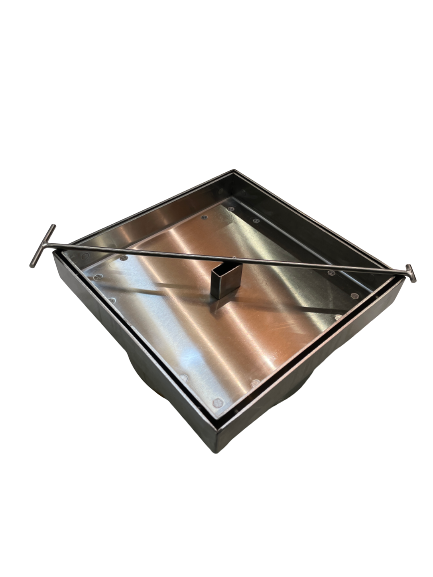
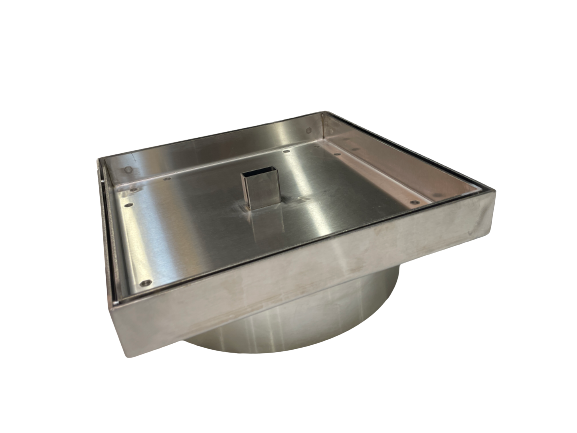
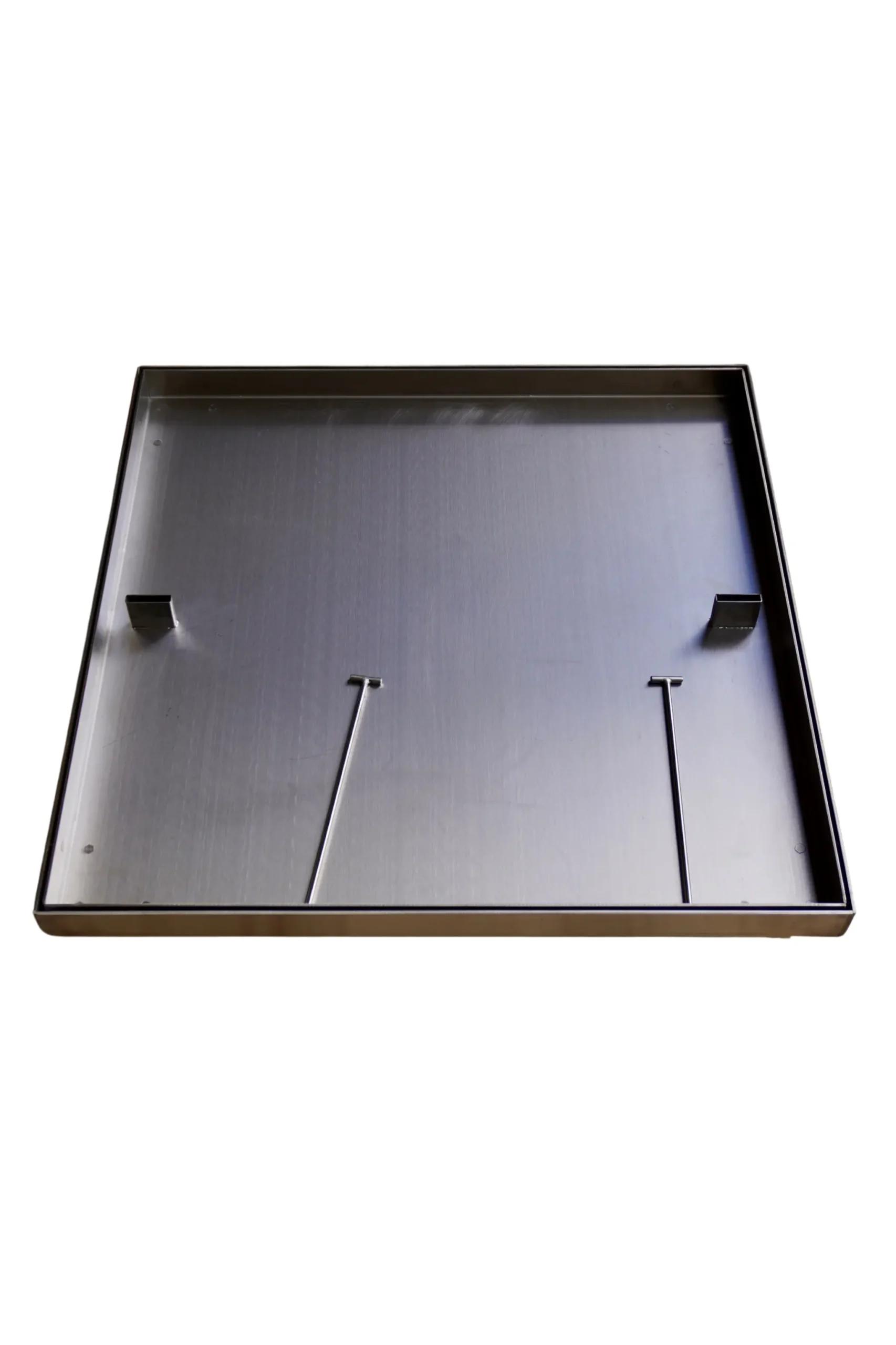
Designed for poured concrete pool decks, concrete skimmer lids feature a deep tray that is positioned and levelled before the pour. Wet concrete is poured directly into and around the tray, once cured, the lid becomes an integral part of the surround, virtually invisible from above.
WACC concrete skimmer lids are manufactured from 3mm 316L stainless steel, heavy enough to handle foot traffic and minor impact without flexing, and robust enough to lock rigidly in place once the concrete sets. Available in 246mm and 276mm to match standard Australian skimmer box openings.
Paving & Tile Skimmer Lids
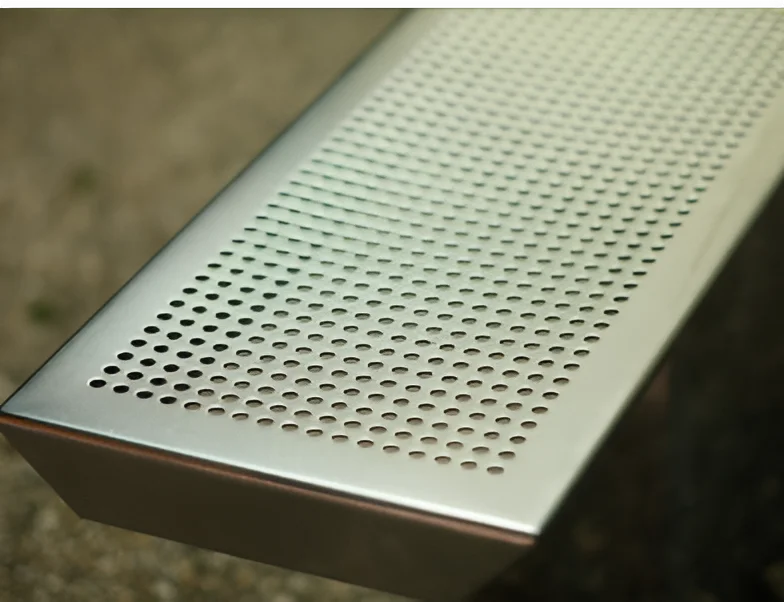
For tiled or paved pool surrounds, a different profile is required. Paving and tile skimmer lids are engineered with a slimmer form factor that accommodates the thickness of your chosen paving material while maintaining a flush, professional finish beneath the tile or paver layer.
Concrete Consumables WA paving/tile skimmer lids are 1.45mm 316L stainless steel, available in 246mm and 276mm. The thinner gauge is appropriate here because the surrounding paving material provides the structural support, the lid doesn’t bear load directly.
Type
Thickness
Sizes
Surround
Concrete Skimmer
3mm
246mm / 276mm
Poured concrete
Paving/Tile Skimmer
1.45mm
246mm / 276mm
Tiles or pavers
Why 316L Stainless Steel, and Why It Matters
Material selection is where a lot of builds get it wrong. Cheaper plastic lids look reasonable at installation. Twelve months later, after a Perth summer, pool chemicals, and UV exposure, they’re faded, brittle, and cracking.
316L stainless steel isn’t just a material upgrade. For pool environments specifically, it’s the only choice that makes long-term sense.
Corrosion resistance: Pool environments are chemically aggressive, salt, chlorine, and pool treatment chemicals attack lesser materials continuously. 316L contains molybdenum, which gives it significantly higher corrosion resistance than standard 304 grade stainless. It won’t rust, stain, pit, or degrade in contact with pool water or chemicals.
UV performance: Perth receives some of the highest UV exposure on the planet. Plastic fades, yellows, and becomes brittle. 316L stainless is completely unaffected by UV, it looks the same in year twenty as it did on day one.
Structural integrity: A 3mm stainless lid won’t crack under foot traffic, thermal cycling, or impact. Plastic will, and usually at the worst possible moment.
The ‘L’ designation: Low carbon content in 316L improves resistance to intergranular corrosion around welds, important for a product that’s permanently embedded in concrete and expected to last the life of the pool.
Set and forget: A quality 316L skimmer lid is installed once and never touched again. No replacements, no maintenance, no degradation to manage.
What Are Inspection Lids, and Why Are They in Pool Areas?
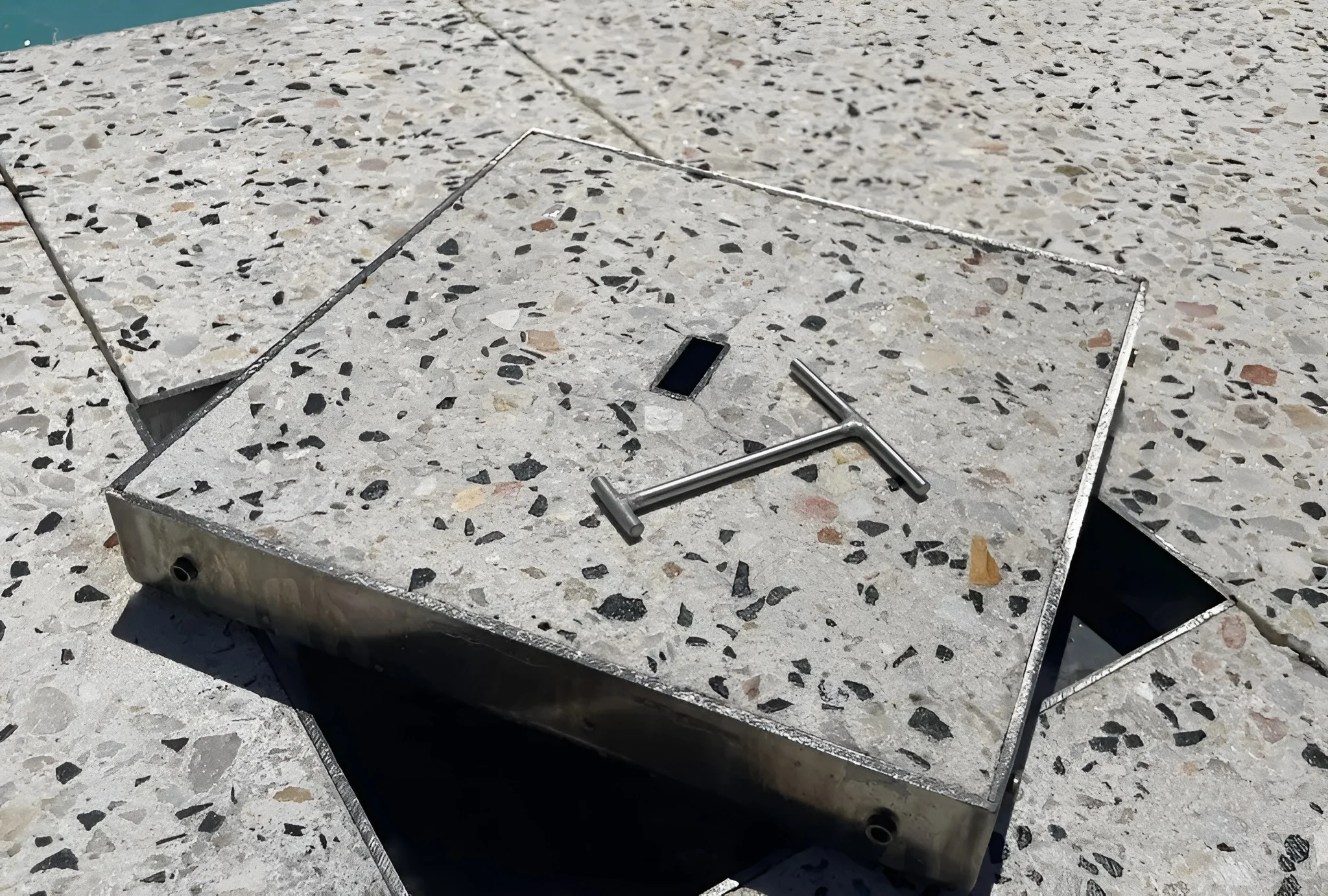
Inspection lids, sometimes called access lids or pit covers, serve a different but equally important function. They cover underground access chambers built into pool surrounds and adjacent outdoor areas, providing access to the infrastructure running beneath: pipe runs, drainage connections, plumbing junctions, sewer points, and electrical conduits.
Without inspection chambers at key access points, servicing or repairing underground pool plumbing means breaking up concrete, an expensive and disruptive job that an inspection chamber eliminates entirely. Pool engineers and plumbers specify chamber locations during the design phase; the builder installs them during construction.
Typically used for underground drainage runs requiring camera inspection or clearing access.
Stainless steel inspection lids in pool areas are the correct choice for the same reasons as skimmer lids: pool chemical resistance, UV stability, structural load capacity underfoot, and a finish that integrates cleanly with premium concrete or paved surrounds. Cast iron lids corrode. Plastic lids degrade. 316L stainless holds indefinitely.
How to Choose the Right Lid for Your Project
A few questions to work through before ordering:
What is the surround material? Concrete surround requires a concrete skimmer lid; tiled or paved surrounds require a paving/tile lid. Getting this wrong means the lid won’t integrate correctly.
What is the skimmer box opening size? Australian standard openings are 246mm and 276mm. Measure the opening, don’t estimate.
What is the chamber size below the inspection lid? The lid must match or exceed the clear opening of the access chamber. Measure the chamber, not just the recess in the surface.
What are the load requirements? Foot traffic only? Or is there any possibility of vehicle access or heavier loading? This affects lid spec and thickness.
Are you installing during a new build or retrofitting? Concrete skimmer lids and inspection lids should ideally be positioned before the pour for best integration. Retrofitting is possible but significantly more complex.
Installation Notes for Builders and Concreters
Concrete skimmer lids: The tray is set in position and levelled before the concrete pour. Concrete is poured around and into the tray. Once cured, the lid is fully locked in place, the resulting surface is flush and seamless. Positioning and level are critical before the pour begins.
Inspection lids: The lid frame is cast into the concrete or set into the paving during construction, with the lid seated in the frame. Vertical positioning during the pour must be precise, the finished lid surface must sit exactly flush with the surrounding concrete. A lid that is even slightly proud or recessed becomes a trip hazard and a visible defect that’s expensive to correct after the fact.
One piece of advice worth emphasising regardless of product type: get the level right the first time. Once concrete cures, corrections become expensive problems.
The Bottom Line
Pool skimmer lids and inspection lids aren’t the most glamorous part of a pool build. But they’re one of those details where the difference between the right specification and a cheap shortcut shows up every single day, in how the pool looks, how it functions, and in the time and money you’re not spending on repairs.
316L stainless steel, properly specified and correctly installed, is the industry standard for a reason. It performs in Perth’s UV. It holds up in salt and chlorinated pool environments. It doesn’t need replacing. And it looks exactly right for decades.
Ready to Spec the Right Lid?
Browse our full range of 316L stainless steel pool skimmer lids and inspection lids.